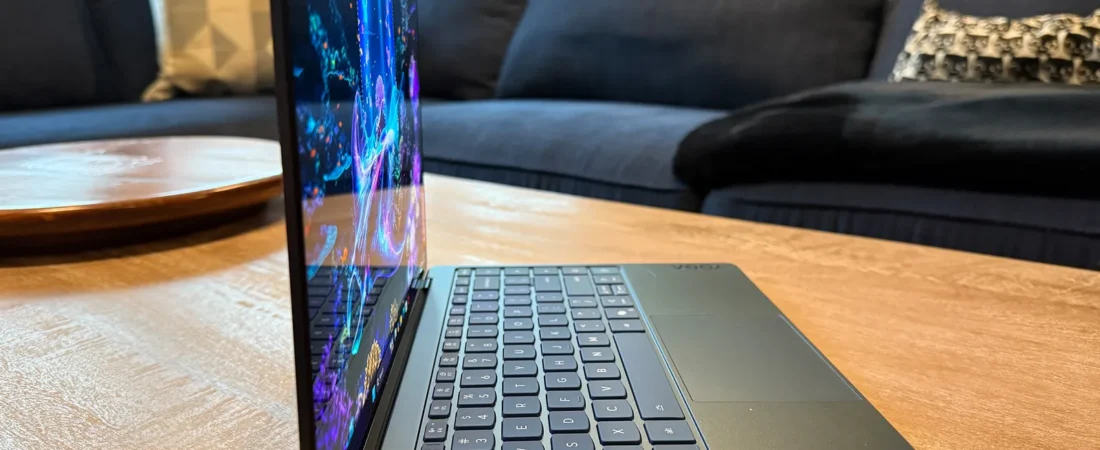
Why Choosing the Right Laptop Matters
Buying a laptop can feel confusing for beginners because there are so many models and specifications available. A good laptop should match your needs, budget, and daily tasks instead of simply having the highest price.
The right laptop helps with:
- Study and work
- Gaming and entertainment
- Online meetings
- Content creation
- Daily productivity
Understanding basic features makes buying much easier.
Decide Your Main Purpose
Before buying a laptop, first understand why you need it.
Common purposes:
- Study and online classes
- Office work
- Gaming
- Video editing
- Programming
Different tasks require different levels of performance.
Understanding Processor Importance
The processor is the brain of the laptop.
Popular processor options:
- Intel Core i5 and i7
- AMD Ryzen 5 and Ryzen 7
Good processors improve:
- Speed
- Multitasking
- Gaming performance
- Battery efficiency
For beginners, mid-range processors are usually enough.
RAM and Performance
RAM affects how smoothly your laptop runs multiple tasks.
Recommended RAM:
- 8GB for normal users
- 16GB for gaming and editing
More RAM means:
- Better multitasking
- Faster app switching
- Smoother performance
Storage: SSD vs HDD
Storage type greatly affects laptop speed.
SSD (Recommended)
- Faster boot time
- Faster app loading
- Better overall speed
HDD
- Cheaper
- Slower performance
Most modern laptops now use SSD storage because it is much faster.
Display Quality Matters
A good display improves work and entertainment experience.
Important display features:
- Full HD resolution
- Good brightness
- Comfortable screen size
Best screen sizes:
- 14-inch for portability
- 15.6-inch for balanced use
- 17-inch for gaming and editing
Battery Life for Daily Use
Battery backup is important for students and travelers.
Good battery life helps:
- Long study sessions
- Office work
- Travel convenience
A laptop with 6–10 hours of battery life is ideal for most users.
Lightweight vs Heavy Laptops
Portability matters if you carry your laptop daily.
Lightweight laptops:
- Easier to travel with
- Better for students
Heavy laptops:
- Usually stronger for gaming
- Better cooling systems
Choose according to your lifestyle.
Gaming Laptop vs Normal Laptop
Gaming laptops are designed for heavy performance.
Gaming laptop features:
- Powerful graphics card
- High refresh rate display
- Advanced cooling
Normal laptops are better for:
- Browsing
- Office tasks
- Online learning
Not everyone needs a gaming laptop.
Graphics Card Importance
Graphics cards help with gaming and creative tasks.
Needed for:
- Video editing
- 3D design
- High-end gaming
Casual users usually do not need expensive graphics cards.
Best Operating System
The operating system affects user experience.
Popular options:
- Windows
- macOS
- ChromeOS
Windows laptops are most common because they support many programs and budgets.
Laptop Build Quality
Build quality affects durability and comfort.
Look for:
- Strong keyboard
- Durable body
- Good cooling system
- Comfortable touchpad
A strong laptop lasts longer.
Common Laptop Buying Mistakes
Many beginners waste money because of poor decisions.
Mistakes include:
- Buying unnecessary high specs
- Ignoring battery life
- Choosing style over performance
- Buying outdated laptops
Research is important before purchase.
Best Laptop for Students
Students should focus on:
- Good battery life
- Lightweight design
- Affordable pricing
- Smooth performance
A balanced laptop is better than an overly expensive one.
Future-Proofing Your Laptop
A laptop should remain useful for several years.
Future-proof tips:
- Choose SSD storage
- Get at least 8GB RAM
- Buy modern processors
This helps your laptop stay fast longer.
Conclusion
Buying the right laptop becomes easier when you understand your needs and basic specifications. Instead of focusing only on brand names, pay attention to processor, RAM, storage, battery life, and display quality.
A good laptop is not always the most expensive one—it is the one that fits your daily work and lifestyle perfectly.