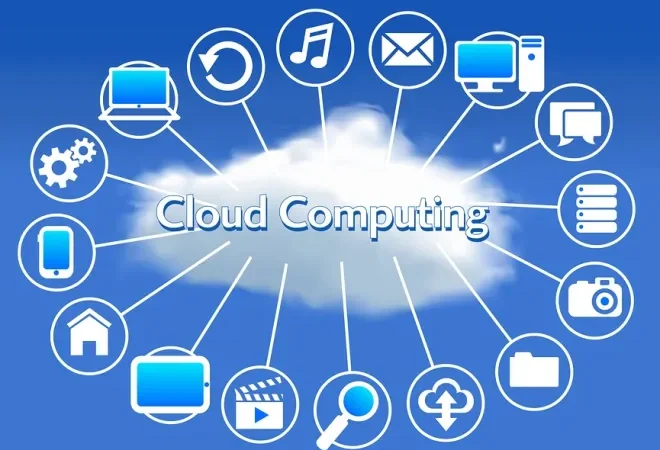
What Is Cloud Computing?
Cloud computing is a technology that allows people to store, manage, and access data through the internet instead of using only their personal computer or physical storage devices.
In simple words, the “cloud” means online servers that store and process information for users.
Examples of cloud computing include:
- Online file storage
- Streaming services
- Web-based apps
- Online gaming services
Today, cloud computing is used by students, businesses, and almost everyone using the internet.
Why Cloud Computing Is Important
Cloud computing has changed how people use technology.
Main benefits:
- Access files from anywhere
- Save storage space on devices
- Improve collaboration
- Reduce hardware costs
It allows users to work and store information more efficiently.
How Cloud Computing Works
Cloud computing works through remote servers connected to the internet.
Basic process:
- User uploads data online
- Data is stored on cloud servers
- User can access it anytime using internet connection
Instead of saving everything directly on your device, the information stays on powerful online systems.
Understanding Cloud Servers
Cloud servers are powerful computers located in large data centers around the world.
These servers:
- Store information
- Run applications
- Process user requests
Companies maintain thousands of servers to support millions of users online.
Types of Cloud Computing
Cloud computing is mainly divided into three types.
Public Cloud
Services shared by many users online.
Examples:
- Online storage platforms
- Streaming websites
Private Cloud
Used by a single organization for better control and security.
Hybrid Cloud
Combination of public and private cloud systems.
Different businesses choose different models based on their needs.
Cloud Storage Explained
Cloud storage allows users to save files online instead of physical drives.
Benefits:
- Easy backup
- File sharing
- Access from multiple devices
Cloud storage is now commonly used for photos, videos, and documents.
Cloud Computing in Daily Life
Many people use cloud computing without realizing it.
Examples include:
- Watching movies online
- Using email services
- Saving files online
- Online gaming
Most internet-based services now depend on cloud technology.
Cloud Computing for Businesses
Businesses use cloud systems to improve efficiency and reduce costs.
Advantages:
- Remote work support
- Better teamwork
- Faster data access
- Reduced IT expenses
Cloud computing has become essential for modern companies.
Software as a Service (SaaS)
SaaS is one of the most common cloud computing models.
It means software is accessed online instead of being installed permanently.
Examples:
- Online document editors
- Video conferencing platforms
- Cloud-based design tools
Users only need internet access to use these services.
Benefits of Cloud Computing
Cloud computing offers many advantages.
Major benefits:
- Flexibility
- Scalability
- Lower costs
- Automatic updates
- Better accessibility
It helps both individuals and businesses work more efficiently.
Security in Cloud Computing
Security is one of the biggest concerns in cloud technology.
Cloud providers use:
- Encryption
- Password protection
- Data backups
- Security monitoring
However, users should also use strong passwords and safe online practices.
Cloud Computing and Education
Education systems now heavily rely on cloud technology.
Students use cloud tools for:
- Online classes
- Shared assignments
- Group projects
- Digital learning materials
Cloud computing makes education more flexible and accessible.
Cloud Gaming Technology
Gaming is also changing because of cloud computing.
Cloud gaming allows users to:
- Play games online
- Avoid expensive hardware
- Stream games directly
This technology is becoming more popular every year.
Challenges of Cloud Computing
Despite its benefits, cloud computing also has some disadvantages.
Challenges include:
- Internet dependency
- Privacy concerns
- Subscription costs
- Data security risks
Reliable internet is necessary for smooth cloud usage.
Future of Cloud Computing
Cloud computing will continue growing rapidly.
Future trends:
- Faster cloud systems
- AI-powered cloud services
- Better cybersecurity
- More advanced online collaboration tools
The future of technology strongly depends on cloud infrastructure.
Common Misunderstandings About Cloud Computing
Some people think cloud computing is difficult to understand, but it is actually very simple.
Common myths:
- Cloud means data disappears physically
- Cloud storage is always unsafe
- Only companies use cloud services
In reality, almost every internet user already uses cloud computing daily.
Conclusion
Cloud computing is one of the most important technologies in the modern world. It allows users to store data, run applications, and access information online from anywhere.
From entertainment and education to business and gaming, cloud systems are making technology more flexible and efficient.
As internet technology continues improving, cloud computing will become even more important in everyday life.