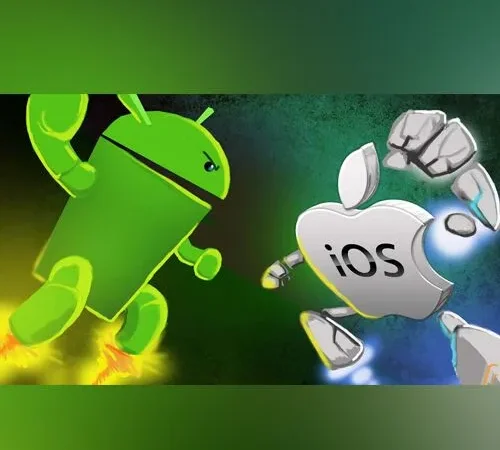
The Smartphone Competition Continues
The competition between Android and iPhone has continued for many years, and in 2026 both platforms are stronger than ever. Each system offers unique features, designs, and user experiences.
Some people prefer Android because of flexibility and affordability, while others choose iPhone for performance and ecosystem advantages.
The best choice depends on personal needs and lifestyle.
Understanding Android Smartphones
Android is an operating system used by many smartphone brands.
Popular Android brands include:
- Samsung
- Xiaomi
- OnePlus
- Google Pixel
- Oppo
Android phones come in many price ranges, from budget devices to premium flagship phones.
Understanding iPhones
iPhones are smartphones created by Apple. Unlike Android, iPhones use Apple’s own operating system called iOS.
iPhones are known for:
- Smooth performance
- Premium design
- Strong security
- Long software support
Apple controls both hardware and software, creating a more connected experience.
Design Comparison
Both Android and iPhone devices now have modern and premium designs.
Android phones:
- More variety in design
- Foldable phones available
- Different screen sizes
iPhones:
- Consistent premium build
- Minimal and clean design
- Strong material quality
Design preference usually depends on personal taste.
Performance and Speed
Performance is one of the biggest differences between the two platforms.
iPhones:
- Very smooth optimization
- Fast app performance
- Strong gaming capability
Android:
- High performance in flagship models
- More hardware options
- Better multitasking on some devices
Both platforms are extremely fast in 2026.
Camera Quality Comparison
Smartphone cameras are now highly advanced on both sides.
Android phones:
- More camera variety
- High zoom capabilities
- AI photography features
iPhones:
- Natural image processing
- Excellent video recording
- Reliable camera consistency
Both platforms offer excellent photography experiences.
Software Experience
Software experience is very different between Android and iPhone.
Android advantages:
- More customization
- Flexible home screens
- Third-party app freedom
iPhone advantages:
- Cleaner user interface
- Smooth ecosystem integration
- Consistent updates
Android gives freedom, while iPhone focuses on simplicity.
Security and Privacy
Security is a major concern for smartphone users.
iPhones:
- Strong privacy controls
- Fast security updates
- More restricted system access
Android:
- Improved security features
- More user control
- Security depends on brand and updates
Apple is generally considered stronger in privacy protection.
App Store Experience
Both platforms offer millions of apps.
Android:
- Google Play Store flexibility
- More free apps
- Third-party installation options
iPhone:
- Better app optimization
- Stronger quality control
- Smooth app performance
Most popular apps are available on both systems.
Battery Life and Charging
Battery performance varies by device model.
Android phones:
- Faster charging technology
- Larger battery options
- More charging flexibility
iPhones:
- Efficient battery optimization
- Reliable long-term battery performance
Android usually leads in charging speed.
Price Difference
Price is one of the biggest deciding factors.
Android:
- Budget to premium options
- More affordable devices available
iPhone:
- Usually expensive
- Premium-focused pricing
Android offers more choices for different budgets.
Ecosystem and Device Connection
Apple has a strong ecosystem connecting multiple devices.
iPhone users benefit from:
- MacBook integration
- iPad connectivity
- AirDrop sharing
- Apple Watch synchronization
Android also offers ecosystem features, but Apple’s system is often smoother.
Gaming Experience
Both Android and iPhone support high-level gaming.
Android gaming advantages:
- Gaming phones available
- Higher refresh rates
- Cooling systems
iPhone gaming advantages:
- Powerful optimization
- Stable performance
- Smooth graphics handling
Both are excellent for mobile gaming.
Customization Options
Customization is where Android clearly stands out.
Android allows:
- Widgets
- Launchers
- Custom themes
- File management freedom
iPhone customization has improved but remains more limited.
Software Updates
Software support affects phone lifespan.
iPhones:
- Long update support
- Fast updates for all devices
Android:
- Update quality depends on manufacturer
- Flagship models receive better support
Apple usually leads in long-term software updates.
Which One Is Better for Students?
Students may prefer different devices depending on budget and needs.
Android:
- Affordable options
- Flexible pricing
- Good for multitasking
iPhone:
- Reliable performance
- Better ecosystem for Apple users
Budget often plays a major role in decision-making.
Common Buying Mistakes
People often choose phones based only on trends.
Mistakes include:
- Buying expensive phones unnecessarily
- Ignoring personal needs
- Choosing style over functionality
The best phone is the one that fits your daily lifestyle.
Conclusion
Both Android and iPhone are excellent smartphone platforms in 2026. Android offers flexibility, affordability, and customization, while iPhone focuses on smooth performance, privacy, and ecosystem integration.
There is no universal “best” option. The right choice depends on your budget, usage style, and personal preferences.
Smartphone technology has become so advanced that both platforms can easily handle modern daily needs.